Healthcare providers and architects have been seeing a correlation between patient experience, service satisfaction scores, and Medicare reimbursements. This awareness has pushed healthcare and design professionals to address patient satisfaction and profitability for new and renovated medical facility designs.
With the pace of integrating technology--both in healthcare practices and the design-build process--now more than ever, design teams and healthcare planners must consider flexible space planning and facilities adaptable for future expansion and renovation – and there are ways structural engineering makes this possible.
Healthcare Mock-Ups
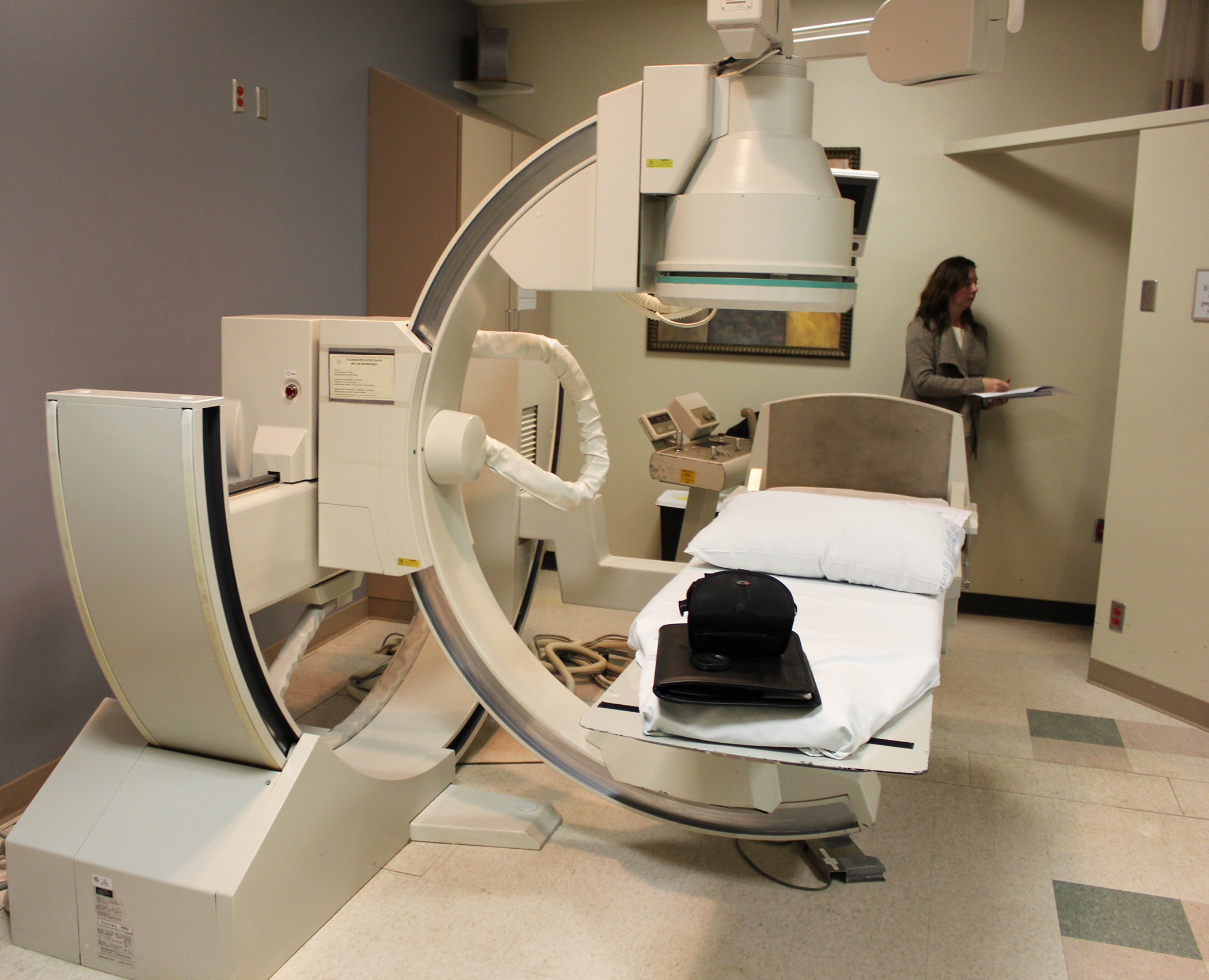
For high capital healthcare facilities, owners and developers can request mock-up services from architects to simulate a clinic or procedural space for testing layout function and workflow efficiency with end-users. The designers gather input from clinicians, patients, and care companions on how to improve a workspace for immediate use (and to avoid costly, last-minute changes).
“The concepts of the Toyota Production System can be adapted to the design of a hospital,” said Jim Harman, Principal at ZGF Architects. “The idea is to reduce waste and non-productive tasks.”
The most expensive aspect of a healthcare clinic is the cost of the staff, he said. The best way to introduce cost efficiency is to understand clinician work processes and then organize the interior space to suit specific operational needs.
In 2016, the Health Facilities Management (HFM) and American Society for Healthcare Engineering of the American Hospital Association conducted a survey with 3,125 hospital and health system executives. 86% of their survey respondents rated patient satisfaction as “‘very important’ in driving design changes in health facilities or services.” 63% of the survey respondents said they include patients and community members in the design process of their hospitals and healthcare facilities.
ZGF’s design team mocked up the interior space for the Seattle Children’s Building Care expansion project (not a DCI project). This meant finding available warehouse space on campus and creating walls and doors of the spaces out of cardboard, including chairs or mocked-up equipment in the room. This allows the users to walk through the space and see how everything fits. If they normally come into a room and sit at a stool while the patient sits on a bed or chair, is there room for everyone? Does the door swing properly? Is there room for the sink to be used while the patient is also in the room? Newer patient rooms have hallways for the doctors to pass through separately from the patients. Mock-ups are informative in the healthcare industry because the owner and tenant know exactly how they want to use the space before they begin construction, rather than waiting for a tenant to move in and figure out how the space is going to be used later.
Imagine an operating room for a patient. The anesthetic procedure can be done in a room separate from the operating room, allowing the operating room to be prepped for the next patient while anesthesia is being administered in the induction room. This reduces time between procedures and increases productive OR time. When the procedure is done, the patient can be immediately moved into a recovery room, freeing up the OR for more procedures – and more patients can be treated.
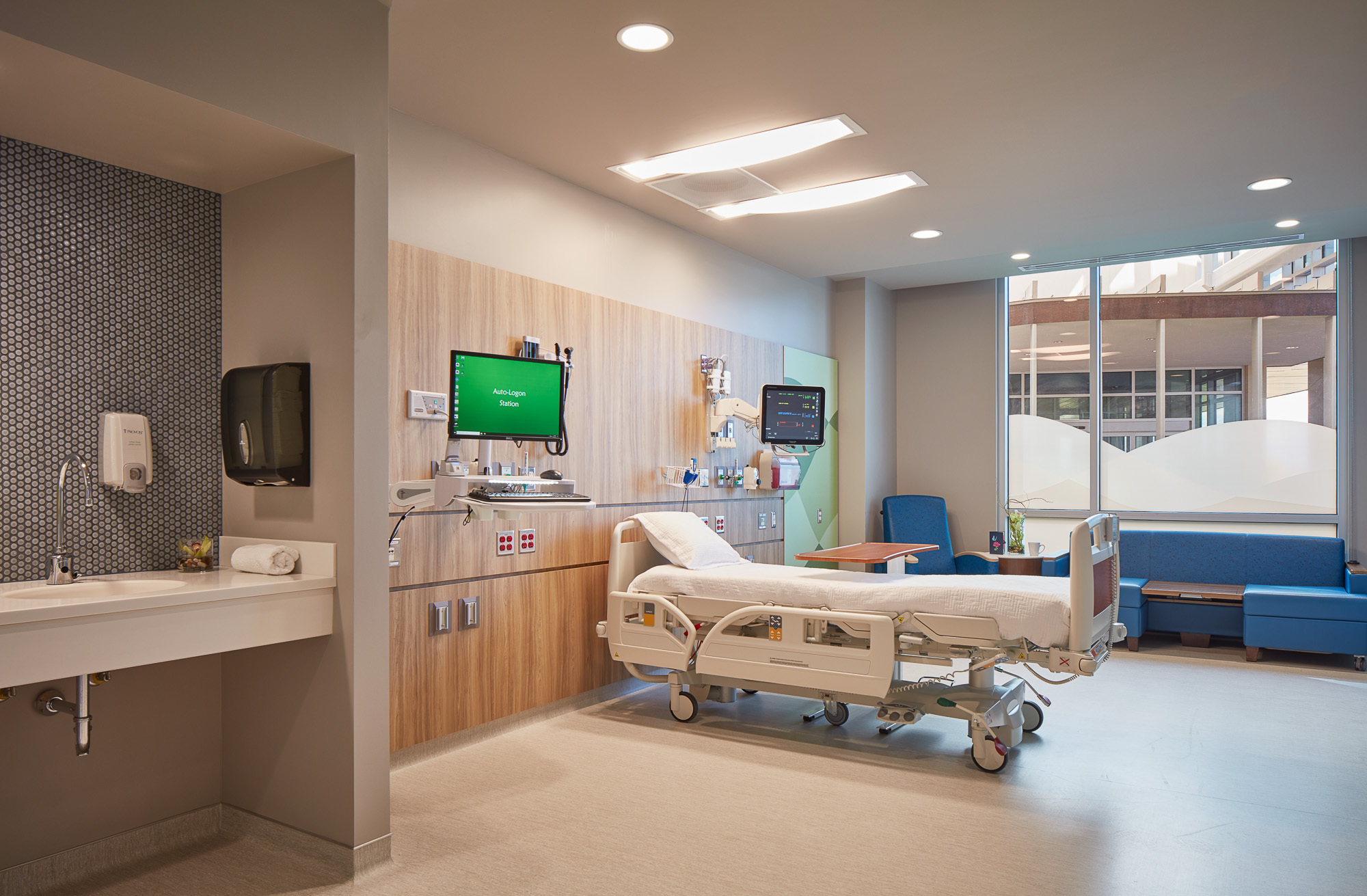
Another scenario is designing a patient bed’s headwall to include electrical outlets on both sides of the bed. This configuration allows multiple care givers to operate equipment and tend to a patient at the same time – making the treatment time more efficient.
Healthcare Space Planning & Structure
A healthcare design team can discover space and layout efficiencies when examining work processes and creating a physical interior design. Structural engineers are introduced to the design after a mock-up exercise, Jim said. However, there are ways structural engineers can make framing systems more conducive for healthcare space planning.
Since healthcare processes and technology always change, it helps to have adaptable facilities. Creating flexible healthcare spaces begins with the building structure, as mentioned by Barbara Horwitz-Bennett’s article in Healthcare Design. Experienced healthcare space planners think about the reassignment of a facility’s space for the future.
The Takeaway
When designing and planning spaces for healthcare facilities, project teams emphasize intentional floor layouts for medical staff work efficiency, patient safety, comfort, and satisfaction. To achieve a built environment that resonates with end-users requires a commitment to the community – as well as foresight to adapt space for future needs and capacity. Speak to DCI’s healthcare engineering team on how to make a flexible healthcare built environment for space planning and future use.
Rose Bechtold | Rose comes from a journalism and technical writing background. She is in her element while in research mode and naturally immerses herself in expert knowledge by interviewing staff members about new subjects. In her spare time, Rose practices plein-air sketching of buildings and random scenes around town.