DCI Engineers, in partnership with Knife River Prestress and Ware Malcomb Architects, has published a new case study examining embodied carbon in data center construction — a building type seeing rapid growth worldwide and increasing pressure to reduce its environmental footprint.
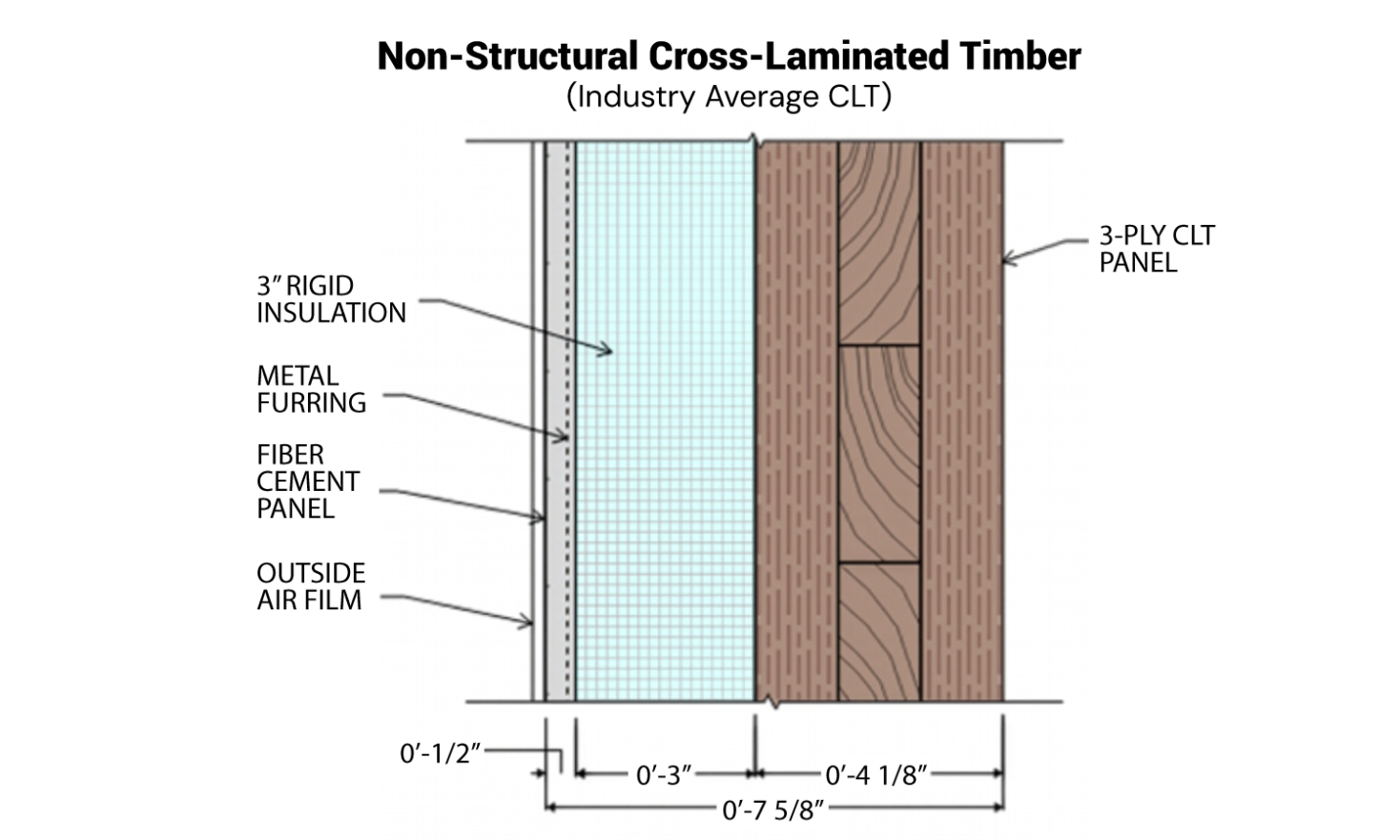
The study uses whole building life cycle assessment (WBLCA) to compare five exterior wall assembly and structural system combinations on a real, completed 297,000-sf data center in Hillsboro, Oregon. Designs studied include structural and non-structural variants of precast concrete, cast-in-place tilt-wall, CMU, and cross-laminated timber (CLT) — all modeled to be functionally equivalent and technically viable.
What the data shows
Wall system choice doesn't just affect the wall. Structural assemblies — those capable of supporting gravity and lateral loads without additional perimeter steel — showed the most significant whole-building carbon reductions, cutting foundation impacts by 22%, BRBF framing by 57%, and column material by 41% compared to non-structural CMU.
Across all designs, structural precast came out on top: 19% lower in global warming potential (GWP) than the highest-carbon option. With Knife River's CarbonCutter™ mix — a low-carbon concrete formulation that reduces cement content through supplemental cementitious materials — that reduction grows to 26%, bringing the structural precast assembly to carbon impacts 17% below CLT at the whole-building level.
Non-structural Precast Concrete - Original Design Option
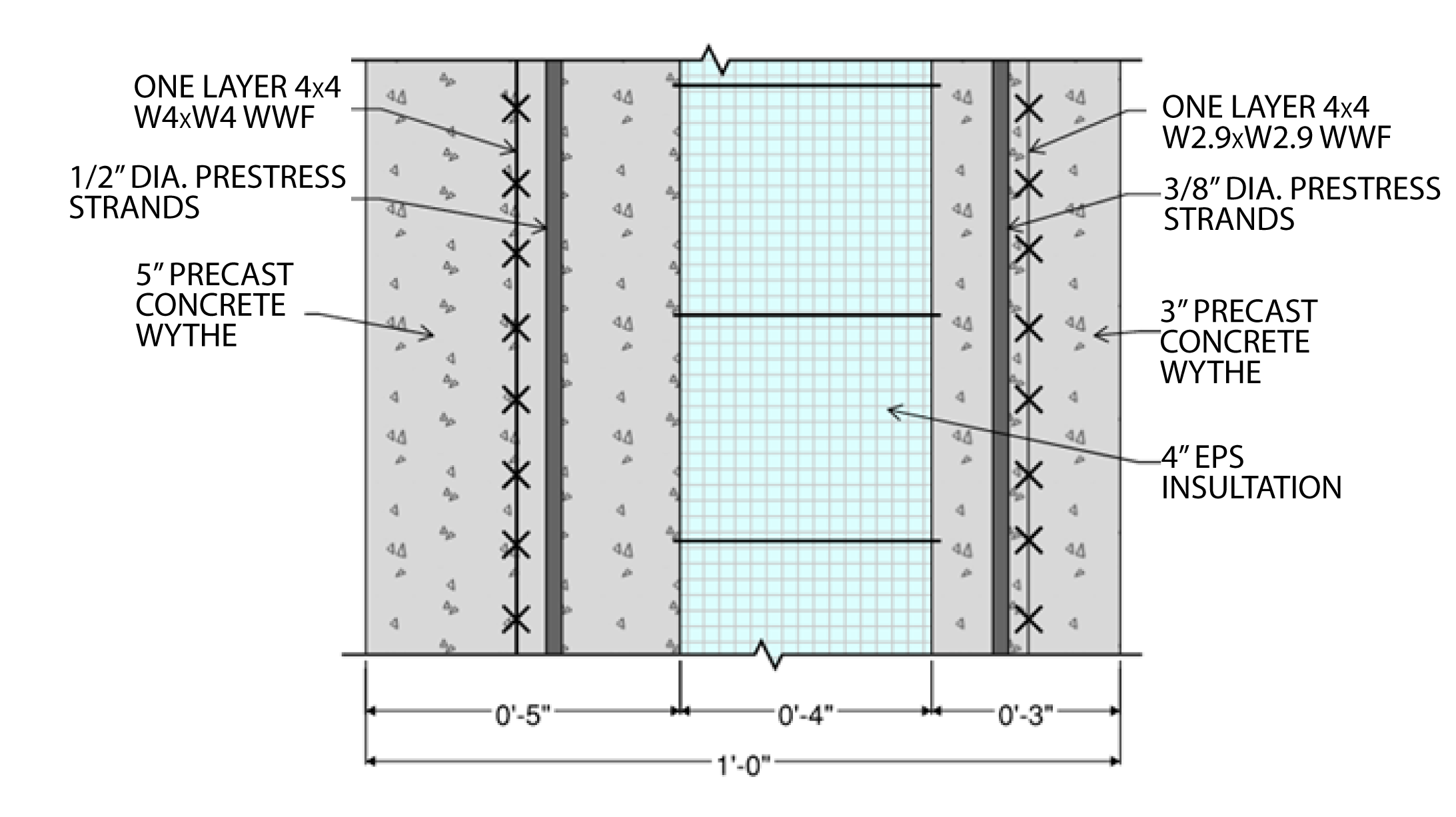
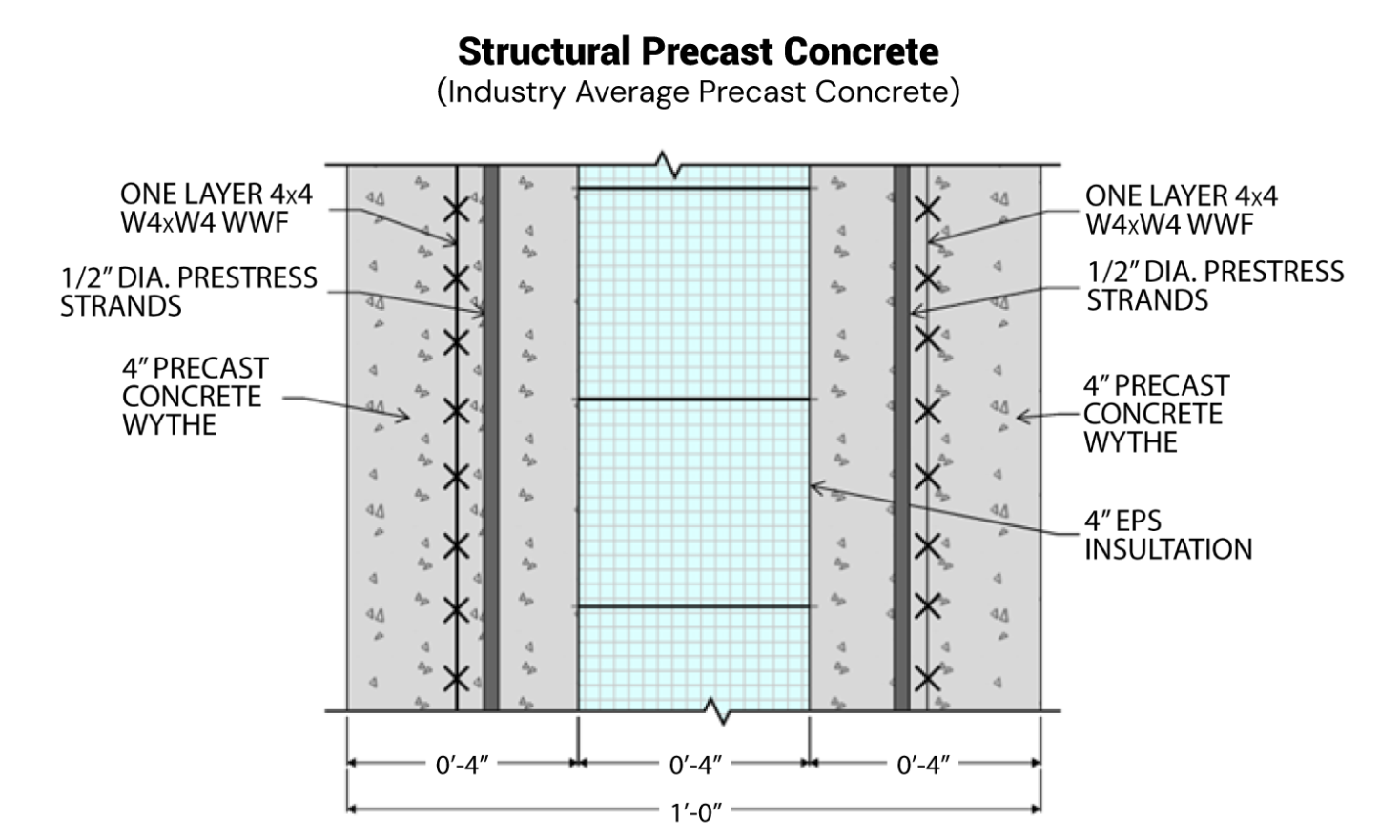
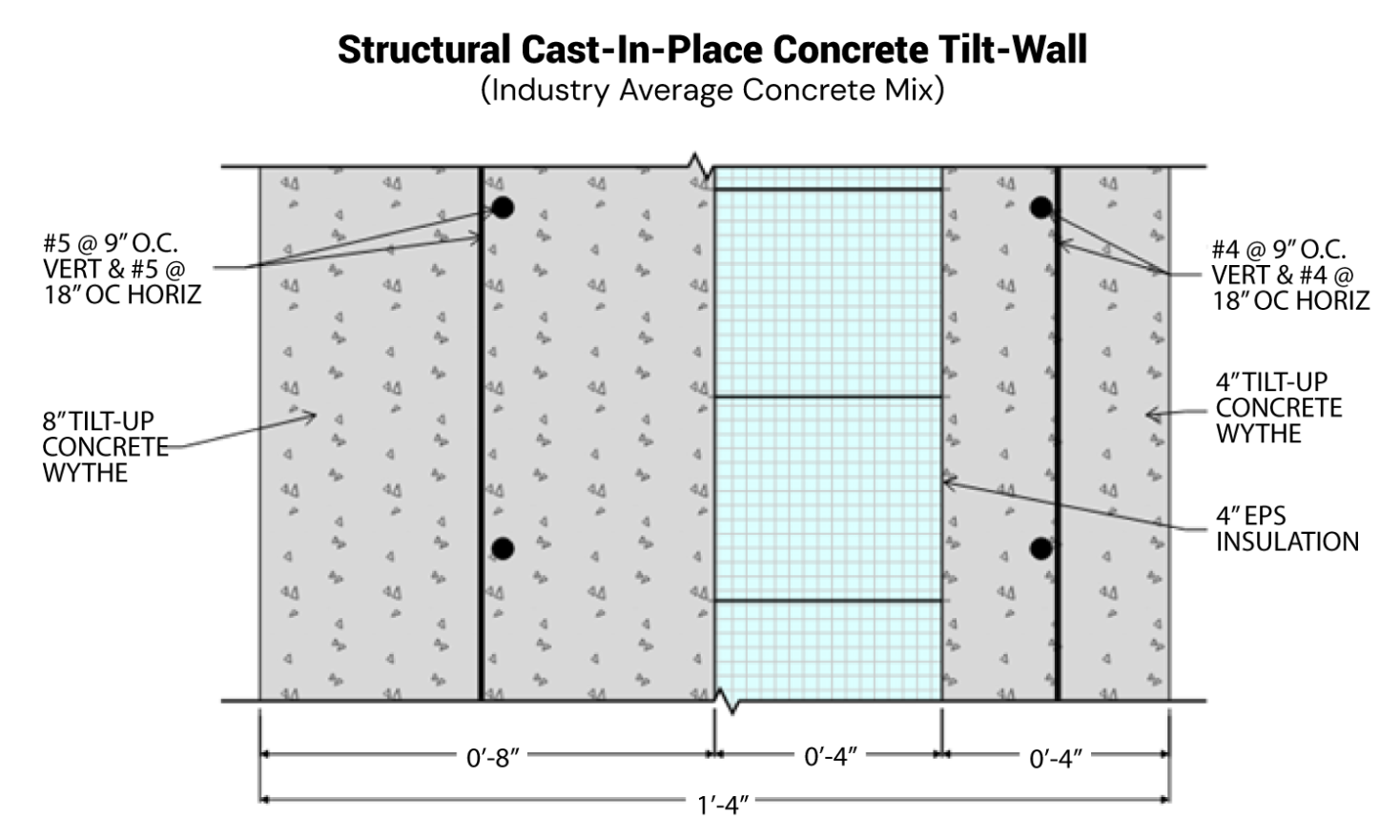
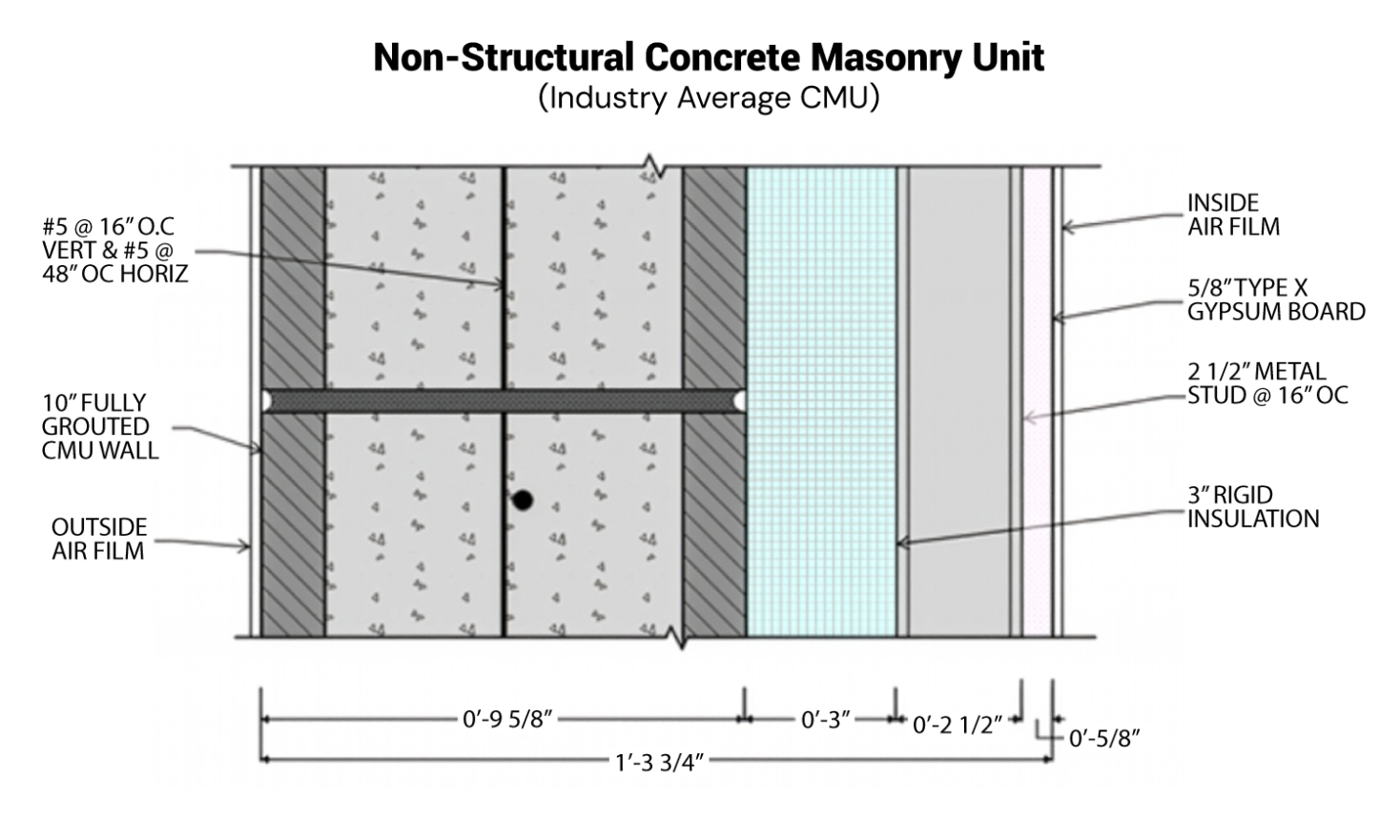

DCI Engineers undertook WBLCAs for all design alternatives. They were conducted using One Click LCA, a global tool comprising multiple calculation tools to help designers and owners achieve carbon reduction and building certification goals. The comparative WBLCA study assessed the potential environmental impacts of the as-built, non-structural precast assembly and functionally equivalent structural precast, structural CIP tilt-up, non-structural CMU, and non-structural CLT wall alternatives. The primary scope is structure and enclosure, and the included life cycle modules are A1-A5, B1 (carbonization included), B4, B5, and C2-C4. Two different building service lives were analyzed: 60 years, which is consistent with the LEED v4.1 Materials and Resources Building Life-Cycle Impact Reduction credit (USGBC, 2023), and 100 years, which aligns more with expected performance and durability of concrete structures.
In addition to assessing the embodied carbon impacts of the comparative exterior wall assemblies, we studied the effects of utilizing Knife River Prestress Inc.’s CarbonCutter™ mix, representing their commitment to advancing low-carbon solutions in their concrete production. For this case study, this proprietary mix offered a low-carbon alternative to industry-average mixes in all precast elements.
There's more in the full report
The case study goes deeper than what's summarized here — including a full life-cycle stage breakdown, results across six environmental impact categories, a 100-year lifespan analysis, and design optimization strategies for future projects. Download it in the module below.
As co-chair of DCI's Sustainability Committee and Senior Project Manager & Sustainability Specialist, Arizona is helping pave the way for more economical and resilient designs in the industry. Based in DCI's Austin office, Arizona focuses on DCI’s embodied carbon baseline, develops the infrastructure for our sustainability services, and carries out important life cycle assessment work.


Principal, PE, SE, LEED AP | Roger’s well-rounded experience with all construction types enables him to consider the advantages of various framing systems for many different project types. He devotes his time to coaching and mentoring the firm’s engineering team, publishing industry articles, and presenting at A/E/C technical discussions or panels.